Getting Started with Local Running Groups
Find your first running club, what to expect at group runs, and how to connect with other runners in your area.

Why Join a Running Group?
Starting a running routine on your own can feel isolating. You're not sure if you're doing it right, whether you should be running faster, and honestly — it's easy to skip that Tuesday morning when nobody's expecting you. That's where running groups come in. They're not just about the running.
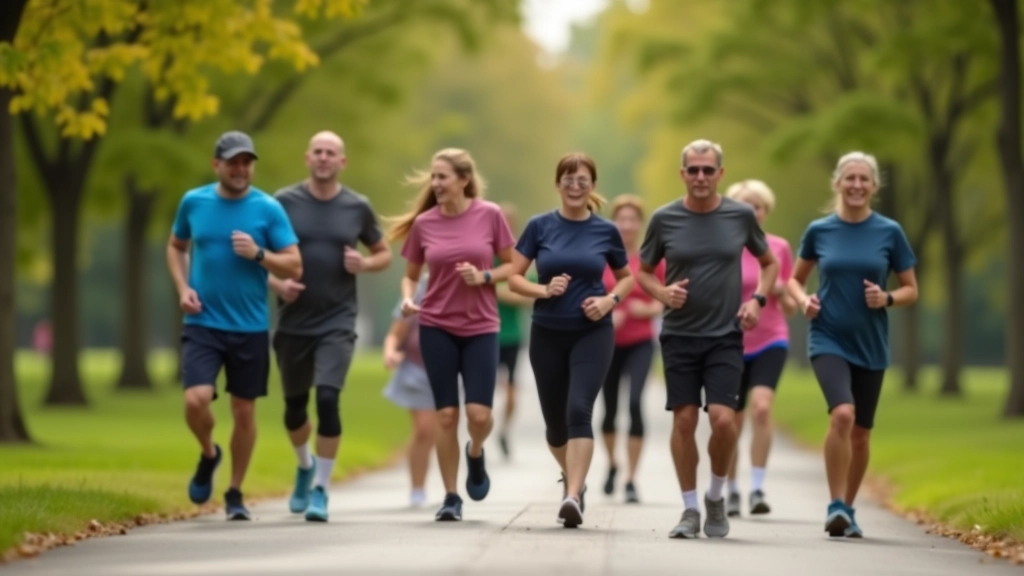
A running group gives you accountability, friendship, and the kind of encouragement that sticks with you long after you've crossed the finish line. Most groups welcome runners of all abilities — you won't be the slowest person there, and if you are, nobody cares. We've all been beginners. You'll find people training for their first 5K, folks who've been running for twenty years, and everyone in between.
Plus, there's something magical about running with others. The pace feels easier. The miles go faster. And you'll actually look forward to showing up.


Finding Your First Running Group
The hardest part isn't the running — it's finding where to start. Your city probably has more running groups than you realize. Start with a simple search: "running clubs near me" or "running groups [your city name]." You'll find Facebook groups, Meetup communities, running store clubs, and local parks departments that sponsor group runs.
Local running stores are gold. Most specialty running shops host weekly or bi-weekly group runs, completely free. They'll have runners at every pace — they usually split into different speed groups or do loops so everyone finishes together. The staff know the local running scene and can point you toward other communities too.
Don't overlook charity run groups either. Organizations like Couch to 5K clubs, breast cancer survivor running groups, or local running for a cause initiatives attract friendly, motivated people. You'll be running alongside folks who share a mission, not just logging miles.
When you find a few options, check their pace ranges. Most groups run between 8-minute and 12-minute miles, but verify before you show up. You want to find people running at or slightly faster than your current pace — that pushes you to improve without making it miserable.
What to Expect at Your First Group Run
Here's what'll actually happen: You'll arrive 10-15 minutes early (everyone does). There'll be people stretching, chatting, and looking way more athletic than you feel. That's fine. Someone will ask if it's your first time. Tell them yes. They'll explain the route, tell you the pace, and probably offer to run with you or make sure you know where the turnaround is.
Most groups run between 3-6 miles for their standard weekly run. You don't have to do the full distance on day one. Honestly, doing 2 miles and walking the rest is completely acceptable. Nobody's timing you. The goal is showing up and doing what you can. After the run, many groups grab coffee or breakfast. This is where the real bonding happens. Skip it your first time if you're nervous, but come back for it next week.
Bring water, wear shoes that don't give you blisters, and dress slightly cooler than you think you need — you'll warm up fast. If you're running early morning, a headlamp or reflective vest makes sense. That's it. You don't need fancy gear or perfect form.

Making It Stick: Tips for Your First Month
Commit to Three Runs
Show up for at least three group runs before deciding if it's right for you. The first run is awkward. The second run, you'll recognize people. The third run, you'll start feeling like part of the group. That's when it gets good.
Chat Before the Run
Arrive early and talk to people. Ask them how long they've been running, where they work, why they joined the group. These conversations turn a group of strangers into an actual community. You don't need to be chatty — just ask questions and listen.
Run Your Own Pace
Don't sprint to keep up with faster runners on your first day. You'll burn out and hate it. Run at a pace where you can still have a conversation. The fast people won't care if you fall back — they're focused on their own run.
Go to the Afterrun
Whether it's coffee, breakfast, or just hanging out in the park, do it. This is where friendships form. You'll hear about upcoming races, find running buddies for solo training days, and actually enjoy the social side of the sport.
Building Real Connections
The best part about running groups isn't the fitness benefit — it's the people. You'll train with someone every Tuesday for six months, then suddenly you're doing a 10-miler together on the weekend. You'll learn their life story: what they do for work, about their kids, what got them into running. You'll celebrate PRs together, encourage each other through injuries, and show up on the hard mornings because you know someone's counting on you.
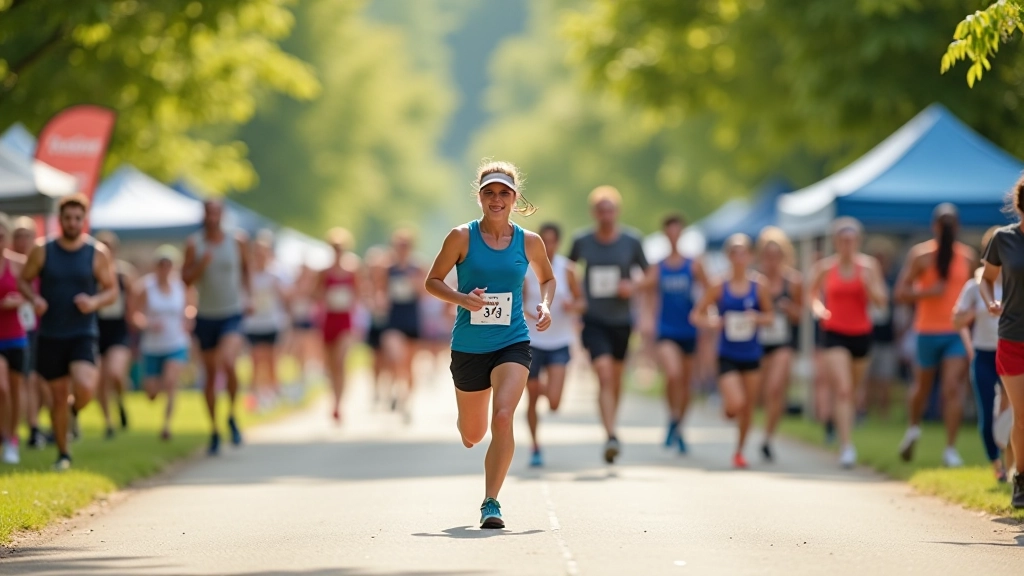
Many groups organize bigger events together — charity 5Ks, trail races, running festivals, or casual destination runs at state parks. These aren't serious training events. They're just excuses to run together in a new place, usually followed by lunch and laughing about who bonked and who crushed it.
By month three, you'll have a core group of people you actually want to see. You're not showing up because you should — you're showing up because you genuinely like these people. That's when running stops being exercise and becomes a lifestyle.

"Wasn't sure about joining a group at first, honestly thought I'd just slow everyone down. But the Tuesday morning crew welcomed me immediately, and now I can't imagine running without them. Six months in and these are actually my friends."
— David, 52
Disclaimer
This article is informational and educational in nature. Before starting any new running program, especially if you have existing health concerns, joint issues, or haven't exercised regularly, consult with your healthcare provider or a certified running coach. Every person's fitness level and physical condition is different. The information here is meant to guide your experience with running groups, not replace professional medical or training advice. Always listen to your body and run safely.
Related Articles