
Trail Hiking Groups Near You This Spring
Local hiking communities, seasonal trail conditions, gear recommendations, and safety tips for longer outdoor adventures.
Why Spring Is Perfect for Trail Hiking
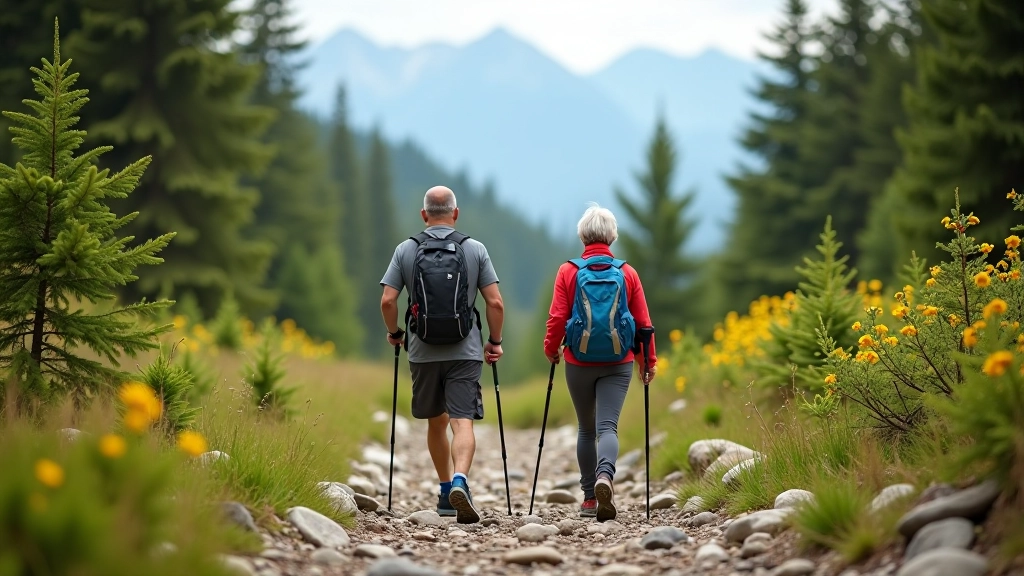
Spring transforms hiking trails across the country. The weather's finally warming up — most regions see temperatures between 50-65°F in early April — but you're not dealing with summer heat yet. That's ideal for longer hikes without overheating.
Plus, this is when hiking communities really come alive. Groups that were quiet over winter start organizing weekend outings again. Wildflowers are beginning to bloom. The trails aren't packed with crowds like they'll be in July. It's honestly the sweet spot for getting out there and meeting other people who actually enjoy being outdoors.
Types of Hiking Groups You'll Find
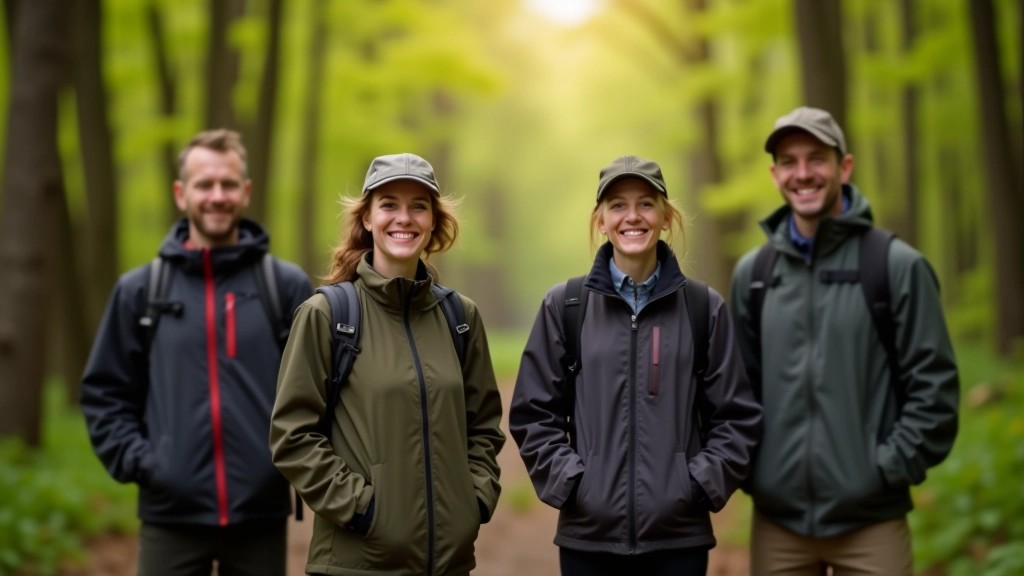
Hiking communities come in different flavors. Finding the right fit matters more than you'd think.
Casual Weekend Groups
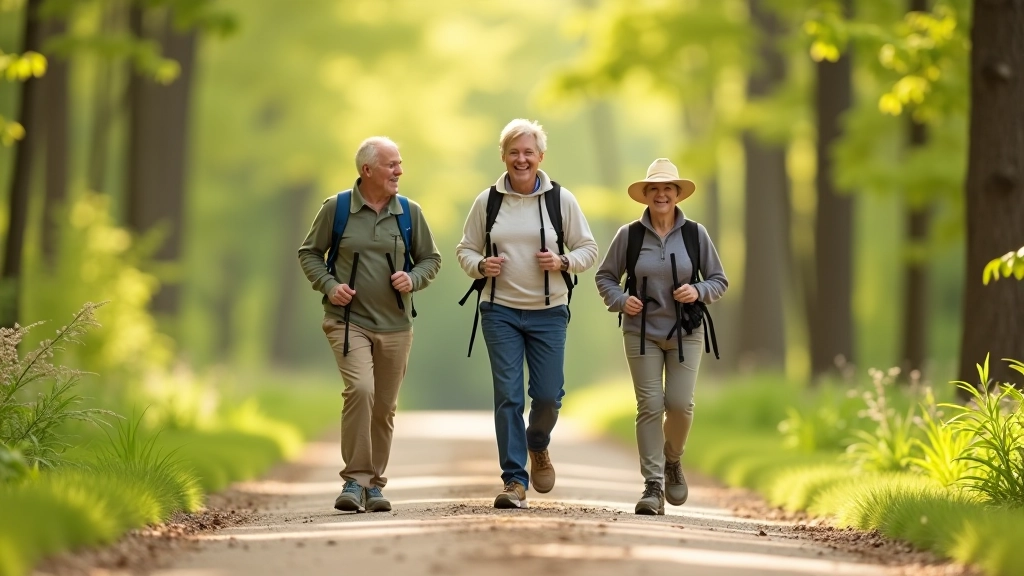
These are your neighborhood trail walkers. Usually meet Saturday or Sunday mornings, stick to easier 3-5 mile routes, and focus on the social part. Most groups average 8-15 people per outing. No experience needed — they'll have hikers aged 35 all the way to 75. You'll find these through local parks departments or Facebook community groups.
Adventure Hiking Clubs
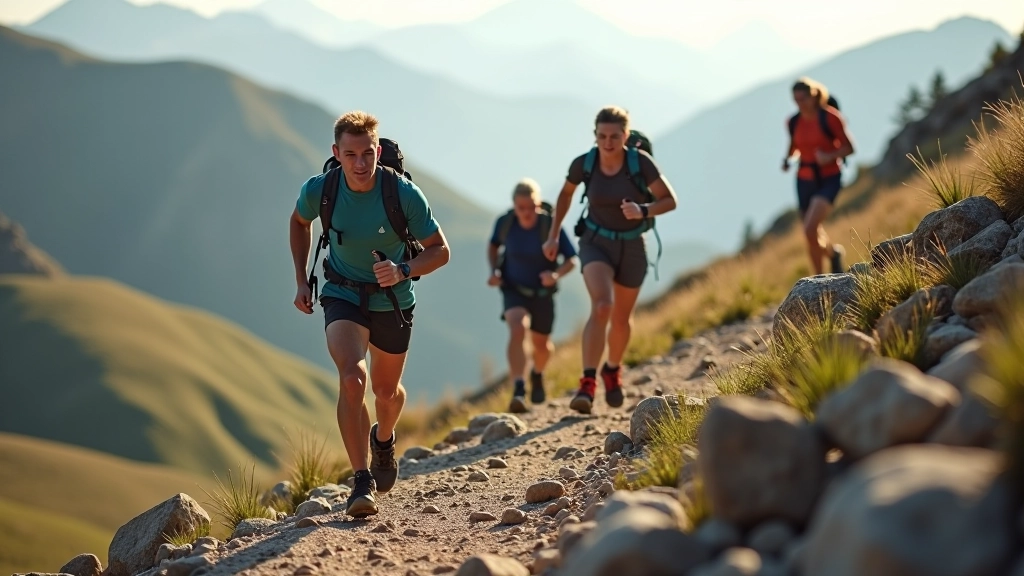
These groups tackle longer distances and real elevation. We're talking 8-12 mile hikes with 1500+ feet of climbing. They're organized, usually have a membership fee (check local clubs — most charge $30-60 annually), and members actually train between outings. You need to be comfortable with hiking boots and basic navigation. But they're incredibly supportive of people getting back into shape.
Trail Maintenance Groups
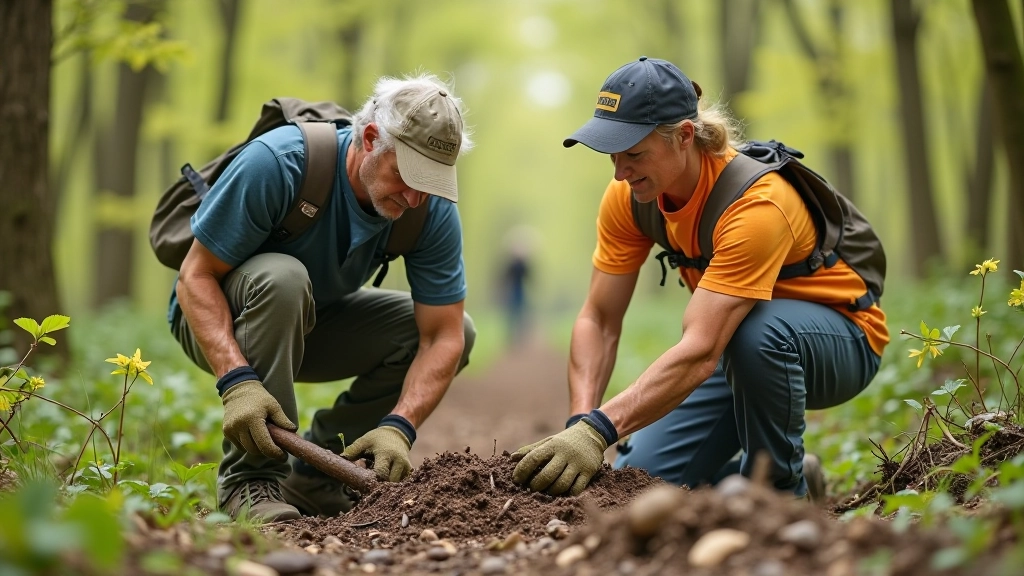
Want to hike AND give back? These groups spend 2-3 hours clearing brush, repairing steps, and maintaining trail systems. It's rewarding work — you'll actually see the difference you're making. Most organize monthly outings and provide tools. Great way to learn trails intimately and meet people genuinely invested in outdoor spaces. Most don't require experience.
How to Find Groups Near You
Finding a hiking group isn't hard anymore. You've got several solid options to explore.
Local Parks & Recreation: Call your city or county parks department. They'll have a calendar of organized hikes, usually free or very cheap ($3-5). Spring is when they ramp up programming — March and April are peak planning months.
Meetup.com: Search "hiking" and your city. You'll find dozens of groups — some meet every week, others monthly. Read reviews. Check if they match your pace and experience level. Most groups have 30-100+ members.
REI Chapters: If there's an REI store nearby, they organize free group hikes. These are well-run, beginner-friendly, and they often teach skills along the way. You don't need to be a member.
Facebook Community Groups: Search "[Your City] Hiking" or "[Your City] Outdoor Group." People post hikes constantly. You'll see what locals are actually doing.

Essential Gear for Spring Hiking
You don't need to spend a fortune. But there are basics you shouldn't skip.
Hiking Boots or Trail Shoes
Your feet will thank you. Look for something with ankle support and good tread. Break them in at home first — don't start a 6-mile hike in brand-new boots. Budget $100-150 for decent ones. Skip the fashion sneakers.
Moisture-Wicking Layers
Cotton holds sweat. You want synthetic or merino wool that pulls moisture away. Spring weather changes fast — you might start cool and get warm. Bring a lightweight jacket you can tie around your waist.
Water & Snacks
Carry at least 2 liters of water. Most people underestimate how much they need. Bring something with calories — nuts, granola bars, fruit. Your body needs fuel for longer hikes.
Sun Protection
Sunscreen, sunglasses, and a hat. Spring sun is stronger than you'd think, especially at elevation. Reapply sunscreen every couple hours if you're out all day.
Basic First Aid
Band-aids, blister treatment, pain reliever. Most groups carry a kit, but bring your own too. You're miles from the car — being prepared matters.
Navigation
Download offline maps on your phone or carry a paper map. Don't rely on cell service in the backcountry. AllTrails and Gaia GPS are solid apps.
Safety Essentials for Longer Hikes
Spring trails come with their own challenges. Muddy sections, rapidly melting snow at higher elevations, and occasional washouts from winter storms. Don't let that scare you — just be smart about it.
Tell Someone Where You're Going: Leave a note or text with your hiking partner about which trail you're on, when you expect to be back, and who to contact if you don't check in by a certain time. This matters more than people realize.
Know Your Limits: It's totally fine to turn back if the trail's more challenging than expected. No shame in that. Your hiking group will respect it. Most groups are actually pretty conservative about distance and elevation.
Pace Yourself: You're not racing. Spring hiking should feel good, not exhausting. Take breaks when you need them. Drink water consistently, not just when you're thirsty.
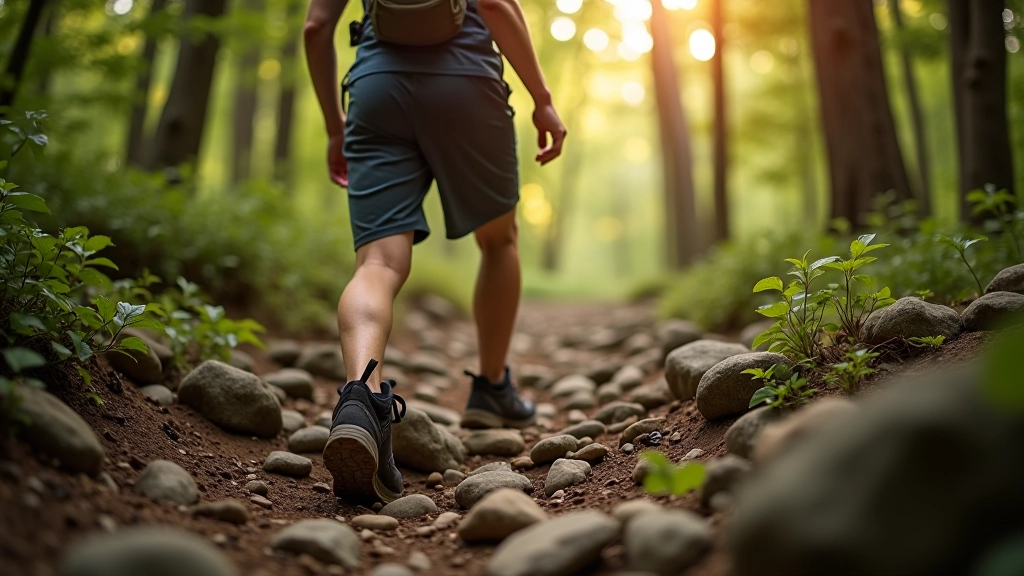
Watch for Hazards: Wet rocks are slippery. Spring runoff creates stream crossings that can be tricky. Watch for deadfall (fallen trees) blocking the path. Most of these aren't dangerous if you're paying attention.
Understanding Spring Trail Conditions
Early spring (March-early April) is different from late spring (May). Here's what you're likely to encounter.
Early Spring (March-April 15)
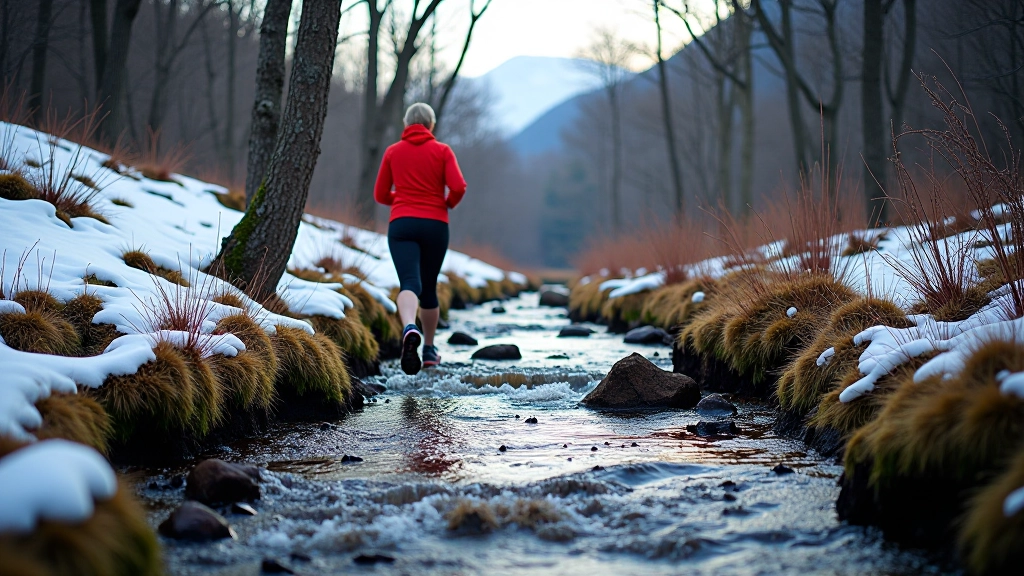
Lower elevation trails are usually clear, but higher trails (above 4000 feet) might still have snow. Streams are running high from snowmelt. Muddy sections are common — bring gaiters if you have them. Temperatures swing wildly — you might start at 45°F and get to 65°F by noon. Layers are your friend.

Late Spring (April 15-May)
Most trails are fully passable now. Snow's melted from lower elevations. Wildflowers are showing up — April and May are peak bloom times depending on your region. Bugs start becoming noticeable toward the end of May (pack insect repellent). Weather is more stable. This is honestly the sweet spot for group hiking.
What Makes Hiking Communities Special
Here's the thing nobody talks about — the real benefit of joining a hiking group isn't the exercise. It's the people.
"Wasn't sure I'd fit in at first honestly. I'd been sedentary for years. But the Tuesday group didn't care about my pace — they just wanted me there. Now I'm actually excited about weekends."
— Linda, 58
Hiking groups attract people who genuinely enjoy being outdoors. You're not stuck in a gym or a class. You're having conversations while walking through nature. People open up differently when you're outside. The pace of hiking is slow enough that you actually talk to each other.
Plus, there's something about shared effort that builds connection. You're all climbing the same hill, navigating the same muddy section, celebrating reaching the top together. It creates camaraderie fast.
Getting Started: Your First Hike
Don't overthink your first group hike. Here's what actually matters.
1. Start with a group you vibe with: Attend one hike. See if you like the pace, the people, the trail selection. No commitment. It's fine to try a few different groups before you find your fit.
2. Pick an appropriate distance: For your first hike, go with something in the 3-5 mile range if you're new to hiking. 5-8 miles if you've been walking regularly. Don't try 12 miles on day one.
3. Arrive early: Show up 10-15 minutes before the start time. You'll have time to chat, use the bathroom, and settle in without rushing.
4. Be honest about your pace: Tell the group leader if you're new or if you have any concerns. They'll put you with the right sub-group. Most organized hikes break into "fast" and "social" paces.
5. Enjoy the process: You're going to be sore the next day. That's normal. It passes quickly. Your body adapts fast — by week 3, those 5 miles feel way easier.
Ready to Hit the Trails?
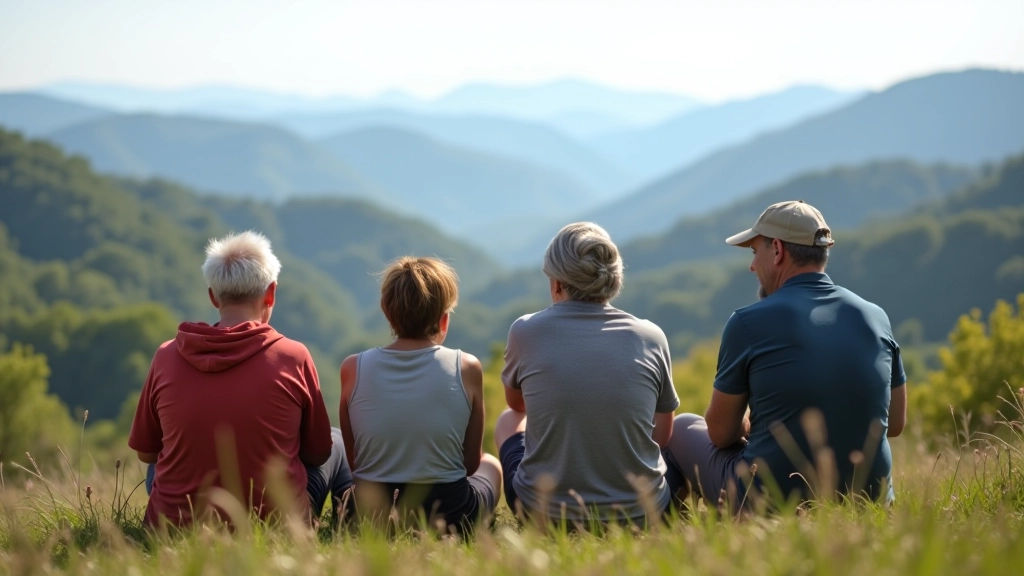
Spring's the perfect time to start. The weather's right, the groups are active, and the trails are calling. Pick one of those search options above — whether it's Meetup, your local parks department, or a Facebook group — and find a hike this weekend. You don't need to be fit. You don't need fancy gear. You just need to show up.
Important Note
This article is informational and educational in nature. Hiking involves physical activity and inherent risks. Before starting any new hiking program or joining a hiking group, especially if you have existing health conditions, consult with a healthcare provider. Always follow Leave No Trace principles, check local trail conditions before heading out, and ensure you have appropriate insurance coverage. Trail conditions, group availability, and locations vary by region and season. Research groups in your specific area for the most current information.
Related Articles